

Casual elegance, coastal light, and natural materials — a guide to the relaxed, refined aesthetic of the East End.
There is a reason the Hamptons has its own design language. Out on the south fork of Long Island, in villages like East Hampton, Southampton, Bridgehampton, Sag Harbor, and Amagansett, interiors tend to feel spacious and airy. The look is spacious yet chic. The best way to describe the aesthetic is casual elegance. Rooms feel calming and lived-in while staying luxurious.
That balance is what makes the style so versatile. It works beautifully in summer escapes, in year-round residences, and in homes built for entertaining. These are places where family and friends gather to forget the noise of the city. This guide is meant as inspiration. It looks at the color, texture, and detail that define the look. It moves room by room and ends with one real before-and-after project from the East End.
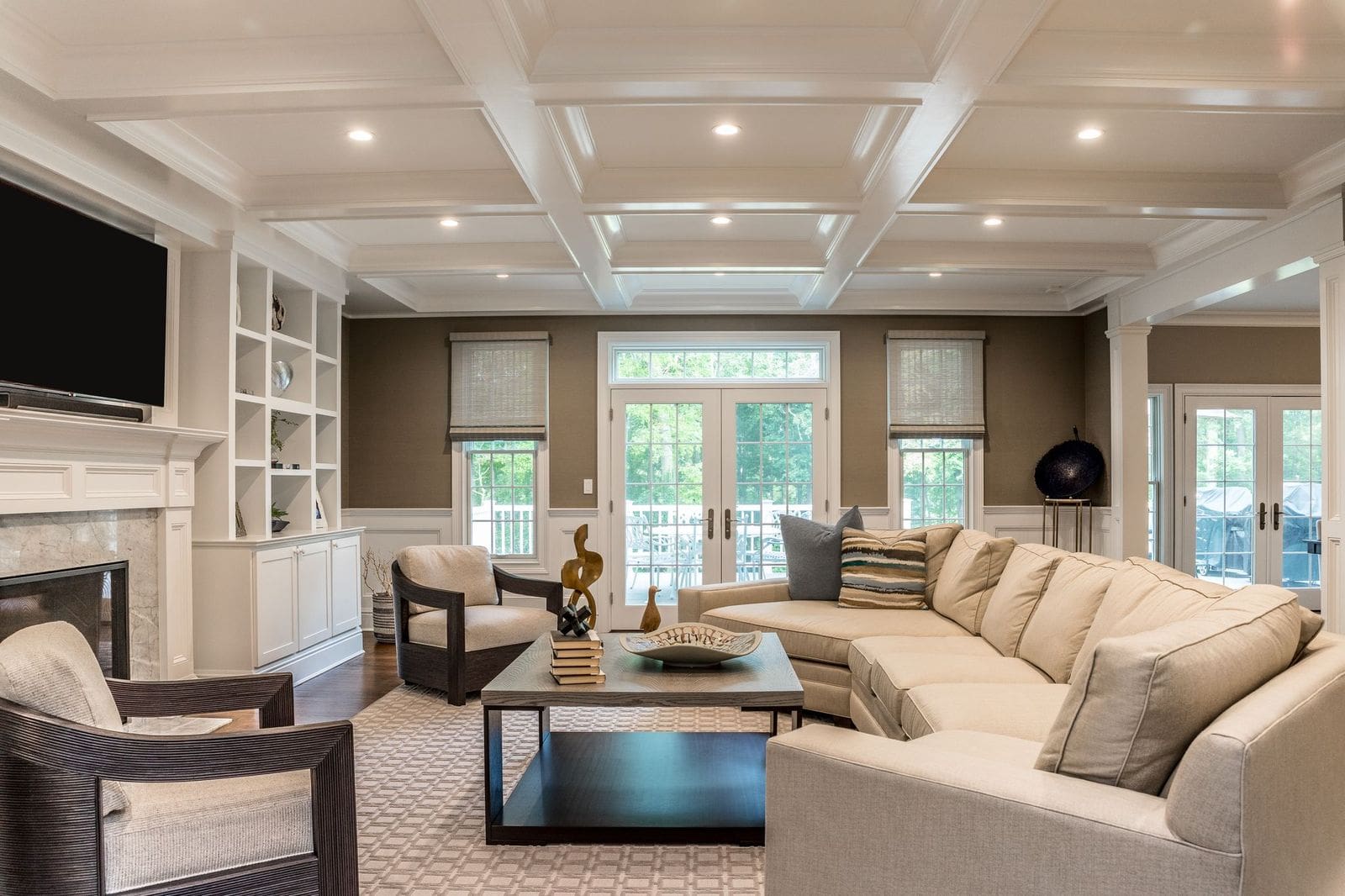
The Hamptons look at a glance: soft light, neutral palette, and natural materials.
What Defines the Hamptons Look?
In the design world, “Hamptons style” signals something specific and refined. The interiors feel calming. Furnishings and palette stay soft and natural. Walls are kept light and neutral. Blues, pale grays, and linen fabrics then keep a space feeling lived-in but luxurious.
A few signatures carry the aesthetic:
- Light, airy color palettes. Think warm whites and neutrals layered with coastal blues and soft grays.
- Natural materials such as linen, wood, and rattan. Floors run to bleached or soft tones, porcelain tile, and marble.
- Soft contrast and plenty of texture and layering, so a neutral room never reads as flat.
- Clean, classic lines paired with a relaxed, lived-in feel.
This refined sensibility is why Hamptons kitchens are so recognizable: typically white and light in feel, with timeless marble counters and streamlined Shaker-style cabinetry.
Why the Aesthetic Works So Well Here
The coastal setting does a lot of the work. The East End offers ocean beaches, rural villages, and chic shingled architecture. All of it complements breezy, light-filled interiors. The design simply echoes what is already outside the window.
There is also a practical side. These homes need to feel polished and relaxed at once. They have to balance entertaining with everyday family use and seasonal living. A restrained palette, durable materials, and layouts built for gathering let a single space do all of that gracefully.
Style Elements to Use
If you are building the look from the ground up, these are the pieces that carry it:
- Upholstered seating in neutral tones. Look for light, oversized cushions, casual yet classic frames, and plenty of throw pillows for that cozy-meets-luxury feel.
- Statement lighting with understated finishes that adds architectural interest while keeping the room’s lines simple and timeless.
- Classic trim, panel molding, millwork, and architectural details. These are often the difference between a plain room and a polished one.
- Window treatments that feel tailored but not heavy; consider a beautiful contrast trim to add detail without weight.
- Accessories and artwork sized correctly for the space, adding texture and personality without clutter.
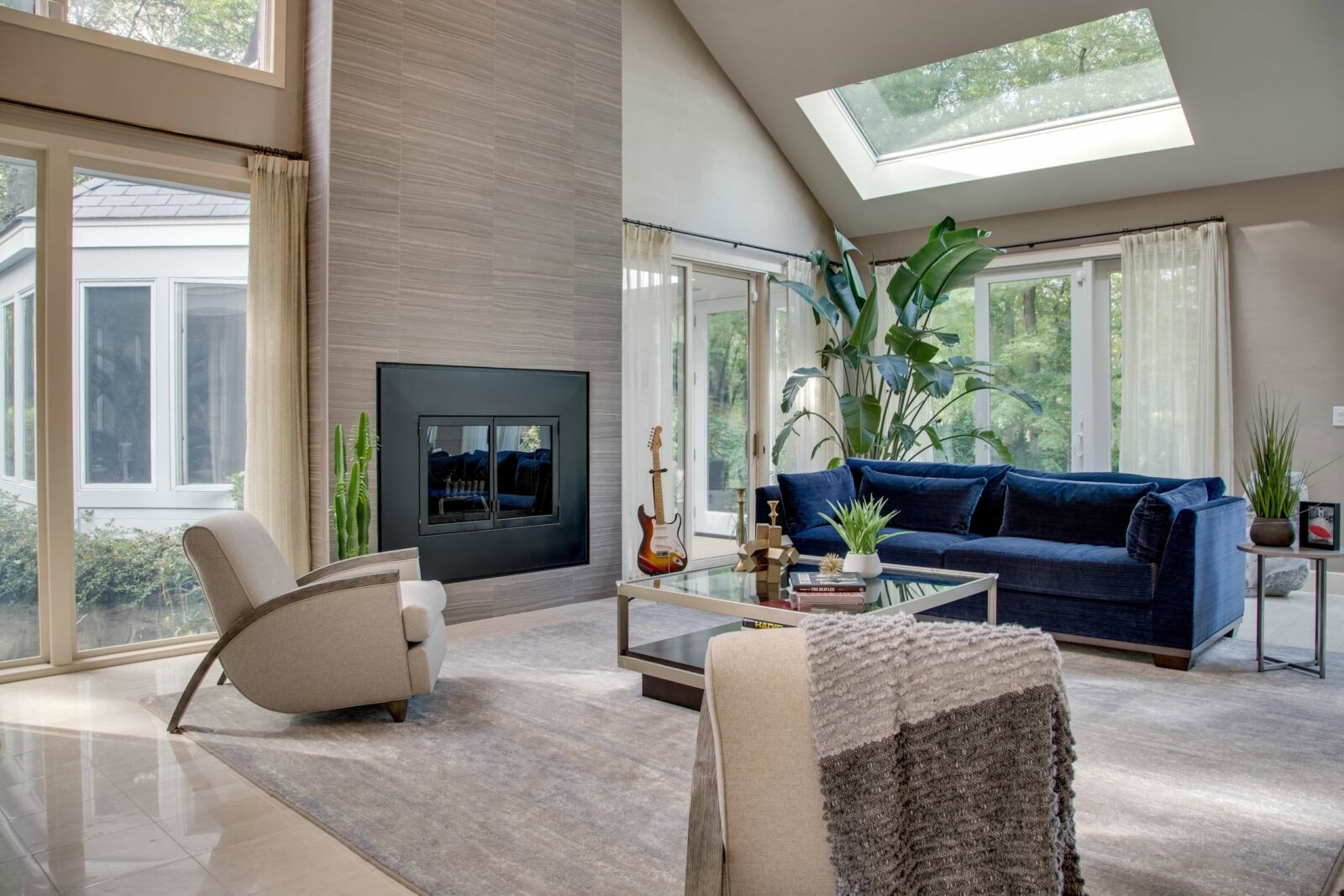
Casual elegance: oversized, comfortable seating in a restrained, natural palette.
Room-by-Room Inspiration
Living & Family Rooms
Arrange for conversation. Layouts should encourage socializing and gathering. Then layer in textiles like a current rug, contrast welting on a sofa, and classic pillows to bring a neutral palette to life.
Kitchens
Keep things bright and functional. White cabinetry, stone and marble surfaces, and streamlined Shaker doors create elegance that still works hard for a busy household.
Bedrooms
Lean into calm. Soft palettes and gentle fabrics make bedrooms feel restful and uncluttered. The result is a quiet retreat after a long week.
Entryways
Make the first impression count. A considered entry sets the tone the moment guests walk in. A statement rug, the right scale of art, and a clean console all help.
Bathrooms
Echo the kitchen’s restraint. Marble or stone, light tile, and simple fixtures keep bathrooms feeling spa-like and timeless.
Dining Rooms
Build a space for lingering meals. Natural materials, comfortable seating, and understated lighting keep dining areas elegant without feeling formal.
One Real Project: A Hamptons Family Room Transformation
To see the principles in practice, look at a family room transformation completed in the Hamptons. The before-and-after tells the story better than any rule can.
The redesign focused on the fundamentals that make the style work. The layout was reorganized around gathering and conversation. Natural light was used more effectively. Finish choices did the rest, with soft neutrals, layered texture, and the right scale of furnishings and art. Together they shifted the room from dated to calm and welcoming. The overall mood is exactly what Hamptons style does best. It feels relaxed, refined, and built for real family life.
See the full transformation: Hamptons family room before & after
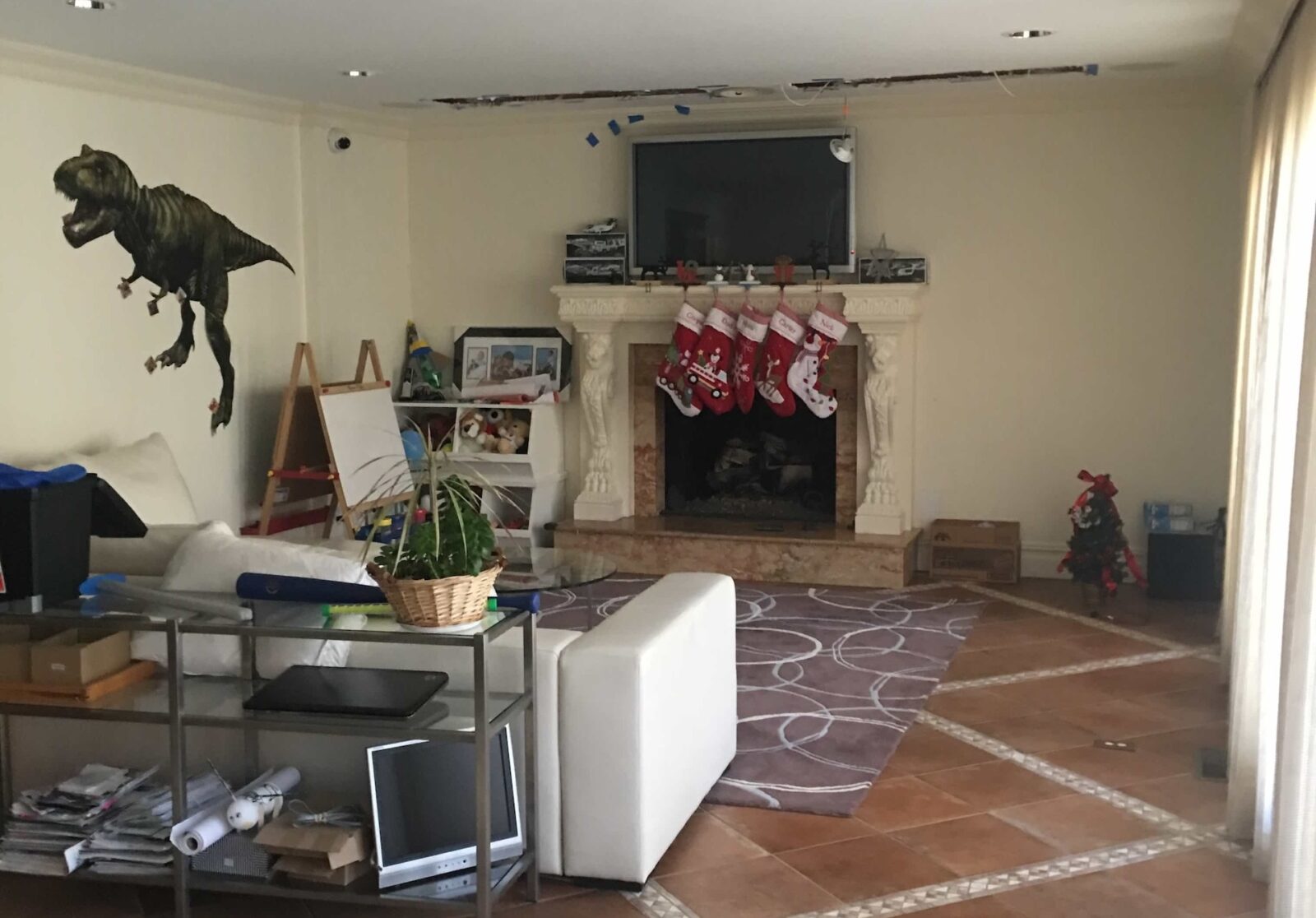
Before: the original family room layout and finishes.
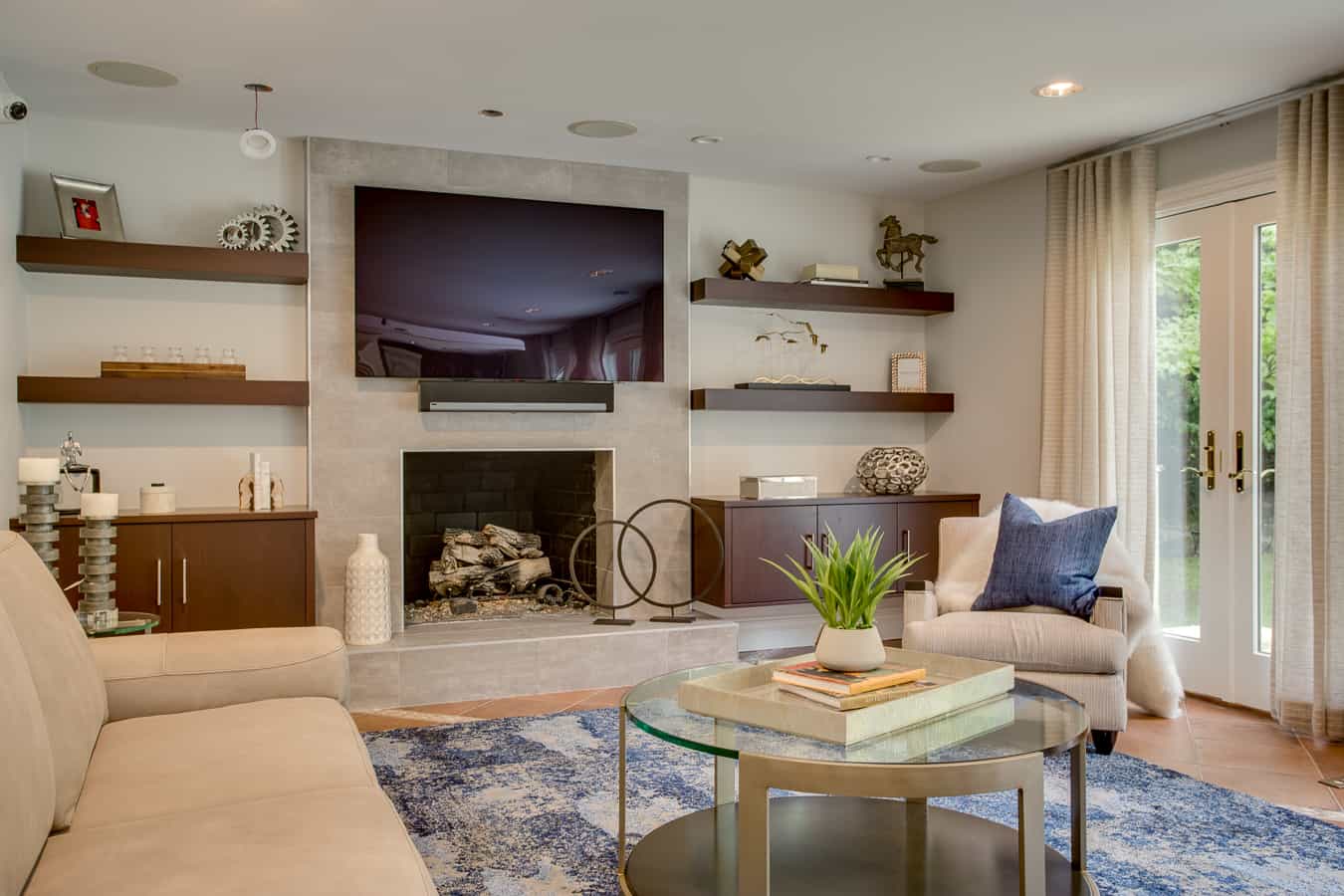
After: a calmer, brighter space with layered texture and a refined neutral palette.
Common Mistakes to Avoid
- Overdoing nautical themes. A little goes a long way.
- Leaning on too many literal coastal accessories (anchors, shells, rope) until the room reads as a costume.
- Making the space feel overly formal or overly themed instead of relaxed and livable.
- Ignoring practical needs like durability and storage, especially in homes built for entertaining and family use.
Design Tips for Homeowners
A few guiding principles, drawn from years of designing these spaces:
- Start with function, then layer in style. Decide how the room will actually be used before choosing finishes.
- Choose durable materials suited to coastal living so the space holds up to sun, sand, and guests.
- Use a restrained palette and build warmth through texture rather than color.
- Invest in timeless, classic pieces. Keep things fresh with updated rugs, fabrics, and accessories.
- Personalize. One-of-a-kind pieces like art, sculpture, travel finds, and family photos are what make a home truly your own.
- Work room by room for a look that feels consistent across the whole home.
Frequently Asked Questions
What is Hamptons interior design style?
It is a relaxed, coastal-inspired aesthetic best described as casual elegance. Rooms are light and airy. They rest on a soft, neutral palette with natural materials like linen, wood, marble, and rattan. Clean, classic lines keep everything feeling lived-in.
What colors work best for a Hamptons-inspired home?
Warm whites and neutrals form the base, layered with coastal blues and pale grays. The goal is a calm, monochromatic feel with contrast and warmth coming from texture rather than bold color.
Is Hamptons style the same as coastal or beach style?
It overlaps, but it is more refined. Literal beach style can lean heavily on nautical motifs. Hamptons style keeps coastal influence subtle. The effect is elegant and timeless rather than themed.
What materials define the look?
Natural, tactile materials. Think linen and soft fabrics, wood and rattan, bleached or soft-toned floors, porcelain tile, and timeless marble. Texture and layering keep neutral rooms from feeling flat.
How do I get the look without making it feel like a theme?
Limit literal coastal accessories and keep the palette restrained. Let architectural detail like trim, molding, and millwork do the work, along with well-scaled furnishings. Add personality through art and personal pieces rather than novelty décor.
Does Hamptons style work for a year-round home?
Yes. Its balance of polish and comfort suits second homes, full-time residences, and entertaining spaces alike. Durable materials and storage-smart layouts make it practical for everyday living.
Bringing the look home
Whether you are styling a single room or shaping the feel of an entire home, the Hamptons aesthetic rewards a thoughtful, room-by-room approach. If you would like help creating a Hamptons-inspired home of your own, explore our Hamptons interior design services to see how the look comes together for real clients.
About the Author
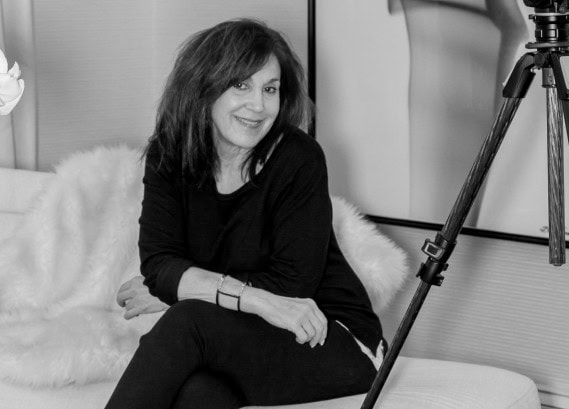
Robyn Baumgarten
Founder & Principal Designer•Interiors by Just Design
Robyn is the visionary behind Interiors by Just Design, bringing decades of experience and an impeccable eye for detail to every project. Her signature approach centers on casual elegance, timeless, classic pieces layered with texture, light, and the natural materials that define refined coastal living across Long Island and the Hamptons.