

Last updated: October 26, 2026
Hamptons interior design style is a relaxed, coastal look built on light neutral colors, natural materials and classic lines. Think warm white walls, linen sofas, soft blues and pale wood floors. The rooms feel polished enough for guests and easy enough for wet towels and kids. Most people call it casual elegance, and that’s the best short definition.
The look grew out of the East End’s shingled houses, farm fields and ocean light. Today you’ll find it in year-round homes far from the beach. If you’d like help bringing it into your own home, our Hamptons interior designer page shows how we plan these rooms for real clients. This guide covers what defines the style, how it compares to similar looks, and two finished projects.
Key takeaways
- The palette stays light: warm white, sand, soft gray and muted blue.
- Natural materials carry the look, including linen, wood, rattan, stone and marble.
- Texture does the work that bold color does in other styles.
- Paneling, millwork and coffered ceilings matter more than accessories.
- Hamptons style is quieter than beach decor and more polished than modern farmhouse.
What Defines Hamptons Interior Design Style?
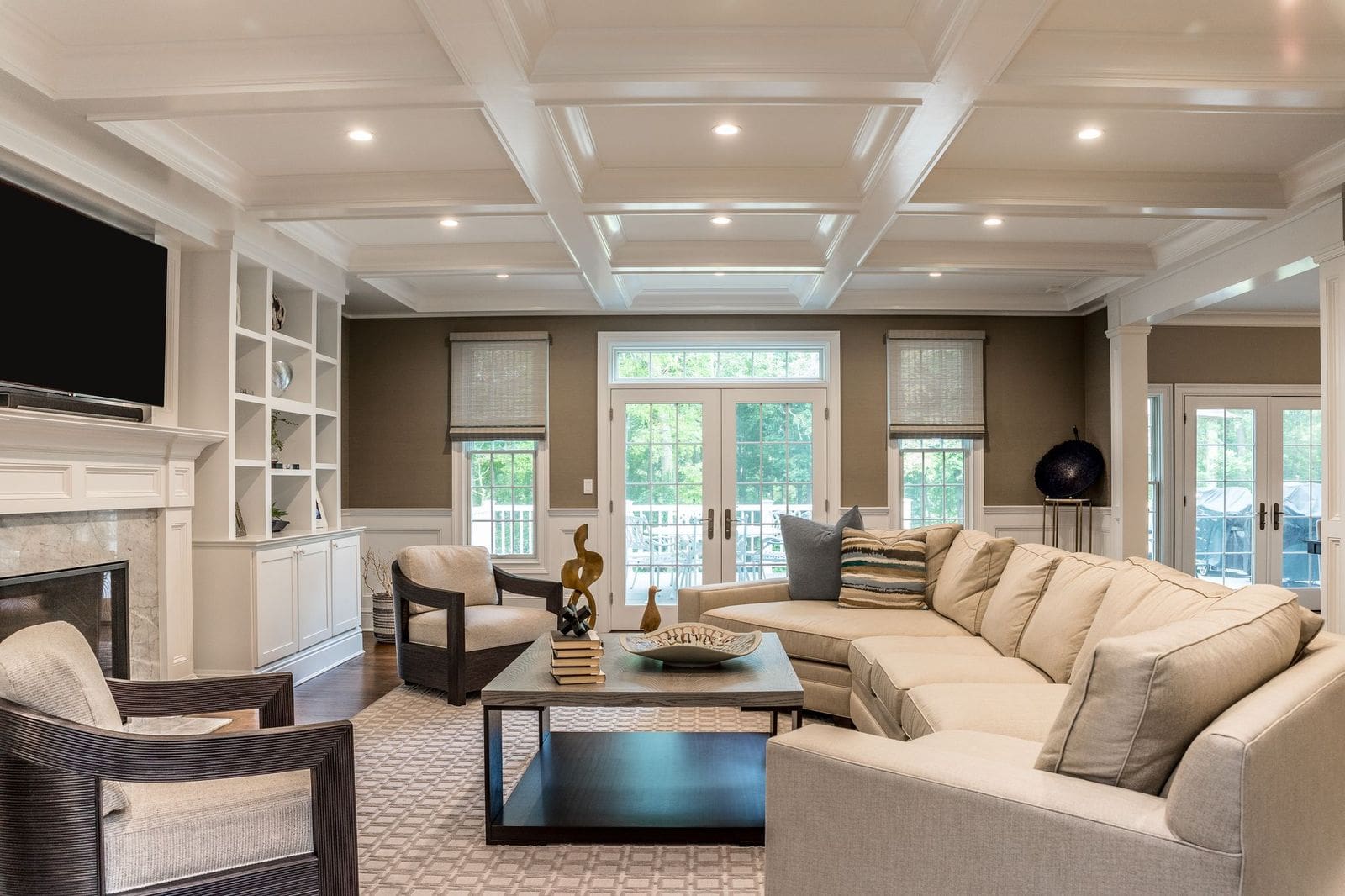
A few signatures show up in almost every Hamptons room. None of them is complicated. The skill is in how you combine them and how much restraint you use.
- Light, airy palettes. Warm whites and sand tones form the base, with coastal blues and soft grays layered on top.
- Natural materials. Linen, cotton, wood, rattan and jute bring texture. Floors run to bleached oak, pale porcelain tile or marble.
- Soft contrast. Interest comes from layering materials, so a neutral room never reads as flat.
- Classic lines. Furniture shapes are simple and tailored, with a relaxed, lived-in feel.
- Architectural detail. Panel molding, built-ins, coffered ceilings and a well-proportioned mantel give rooms their structure.
Kitchens make the style easy to spot. They’re usually white or very light, with marble counters and streamlined Shaker cabinetry.
Why the Look Works So Well Out East
The setting does a lot of the work. Ocean beaches, farm stands and shingle-style architecture all suit breezy, light-filled rooms. In villages like East Hampton, Bridgehampton and Sag Harbor, the interiors simply echo what’s outside the window.
There’s a practical side as well. These houses handle packed summer weekends and quiet winter months. A restrained palette, durable fabrics and layouts built for gathering let one room do both. That’s also why Hamptons interior design style travels well to year-round homes in other parts of Long Island.
Hamptons Style vs. Coastal vs. Modern Farmhouse
People mix up Hamptons interior design style, coastal decor and modern farmhouse all the time. All three share a light palette, but the details pull them in different directions.
| Hamptons Style | Coastal or Beach | Modern Farmhouse | |
|---|---|---|---|
| Overall mood | Polished and relaxed | Casual and breezy | Rustic and homey |
| Palette | Warm white, sand, soft gray, muted navy | White with turquoise, aqua and sea glass tones | White, black and warm wood |
| Materials | Linen, marble, painted millwork, rattan | Whitewashed wood, rope, seagrass | Reclaimed wood, shiplap, galvanized metal |
| Furniture | Tailored, classic upholstered pieces | Casual, lightweight and often slipcovered | Chunky, distressed or rustic pieces |
| Accessories | A few well-scaled pieces and art | Shells, nautical prints and beach finds | Vintage signs, baskets and open shelf displays |
| Lighting and hardware | Polished nickel or brass, understated fixtures | Woven pendants and weathered finishes | Matte black lantern and barn-style fixtures |
The quickest test is the accessories. If a room needs anchors and rope to say “coastal,” it’s beach decor. A Hamptons room lets the materials and architecture carry the theme.
Style Elements to Use
If you’re building the look from scratch, these pieces do most of the work:
- Upholstered seating in neutral tones, with deep cushions, classic frames and plenty of pillows.
- Statement lighting with understated finishes, so fixtures add interest without fighting the room’s lines.
- Trim, panel molding and built-ins. They’re often the difference between a plain room and a finished one.
- Tailored window treatments. A contrast trim adds detail without weight.
- Art and accessories sized correctly for the wall or table they sit on.
Fabric choice matters more near the beach than almost anywhere else. Sun, sand and wet swimsuits are hard on upholstery. That’s why we often specify performance fabrics such as Crypton Home or Kravet’s performance lines, a point Robyn made in a Long Island Press interview. They look and feel like standard upholstery but clean up far more easily.
Room-by-Room Ideas
Living and Family Rooms
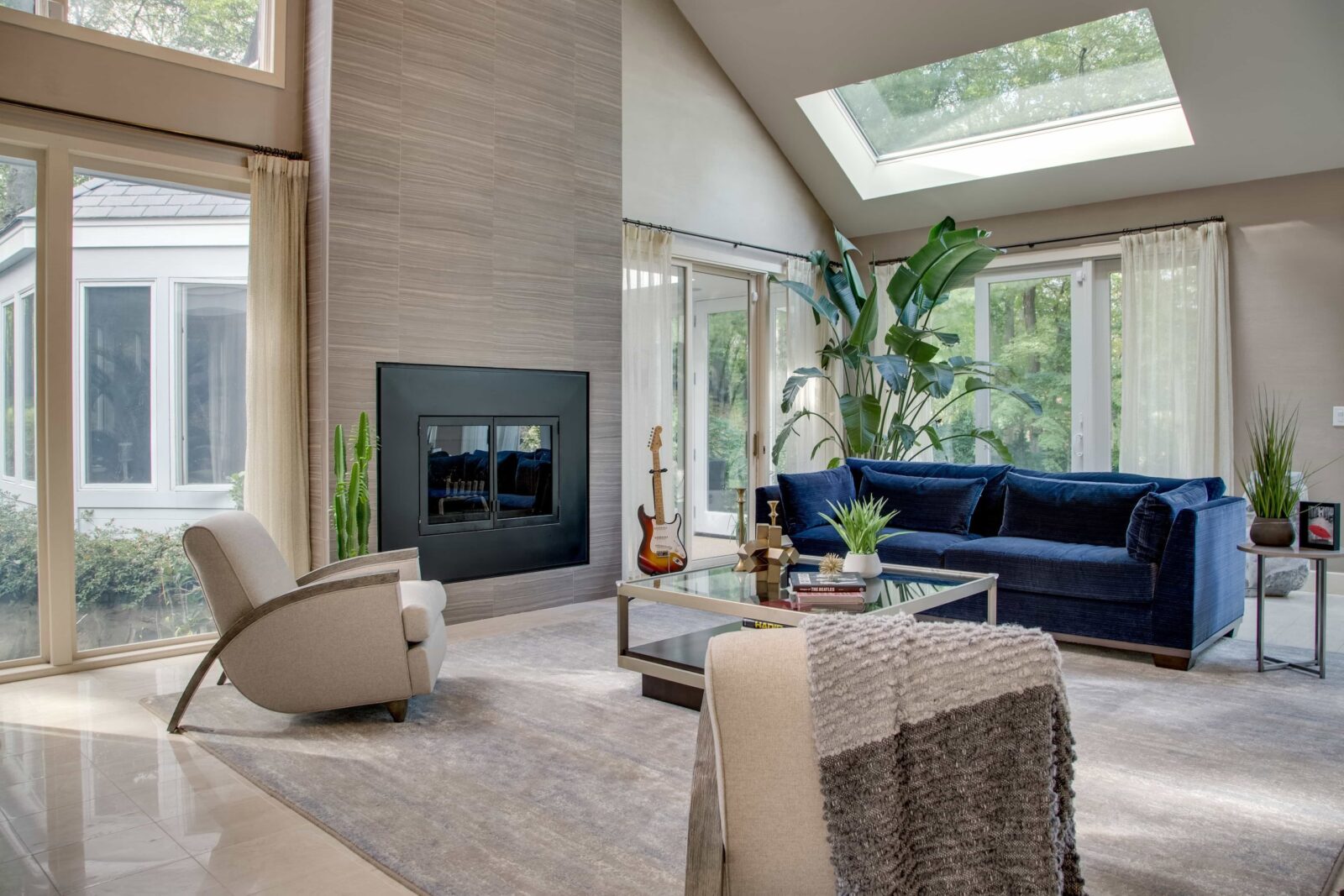
Arrange seating for conversation first. Then layer in a current rug, contrast welting on the sofa and a few classic pillows to bring a neutral palette to life.
Kitchens
Keep things bright and hardworking. White cabinetry, stone or marble counters and simple Shaker doors look elegant and still stand up to a busy household.
Bedrooms
Lean into calm. Soft colors, gentle fabrics and clear surfaces make a bedroom feel like a retreat after a long week.
Entryways
Make the first impression count. A statement rug, art at the right scale and a clean console set the tone the moment guests walk in.
Bathrooms
Echo the kitchen’s restraint. Marble or stone, light tile and simple fixtures give a bathroom a timeless, spa-like feel.
Dining Rooms
Plan for long meals. Natural materials, comfortable chairs and soft lighting keep the room elegant without feeling formal.
Two Projects From the East End
Rules only go so far. These two finished rooms show how Hamptons interior design style plays out in real homes. Robyn Baumgarten designed both. The Long Island Press named her one of the 15 top interior designers on Long Island.
A Family Room Made for Gathering
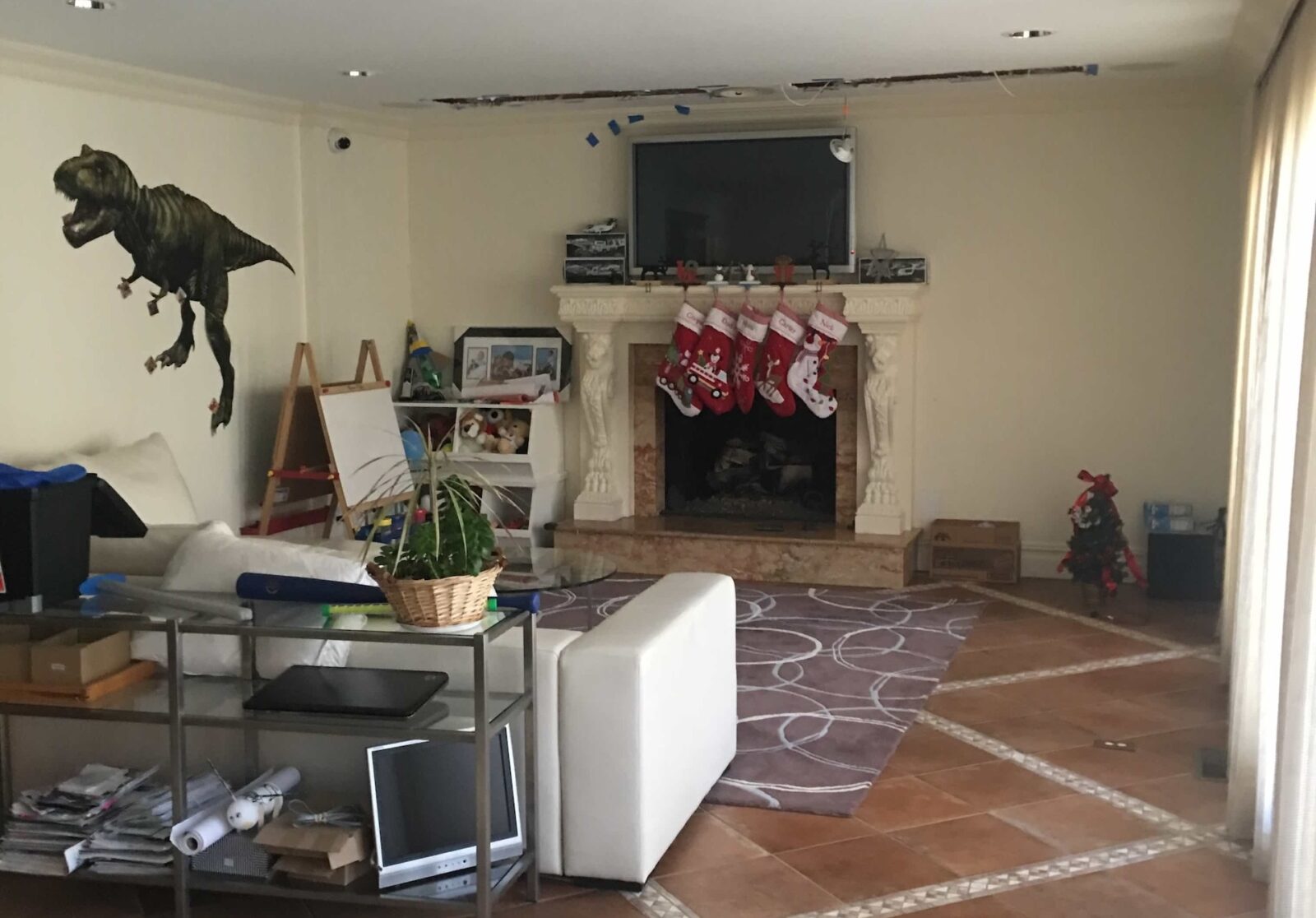
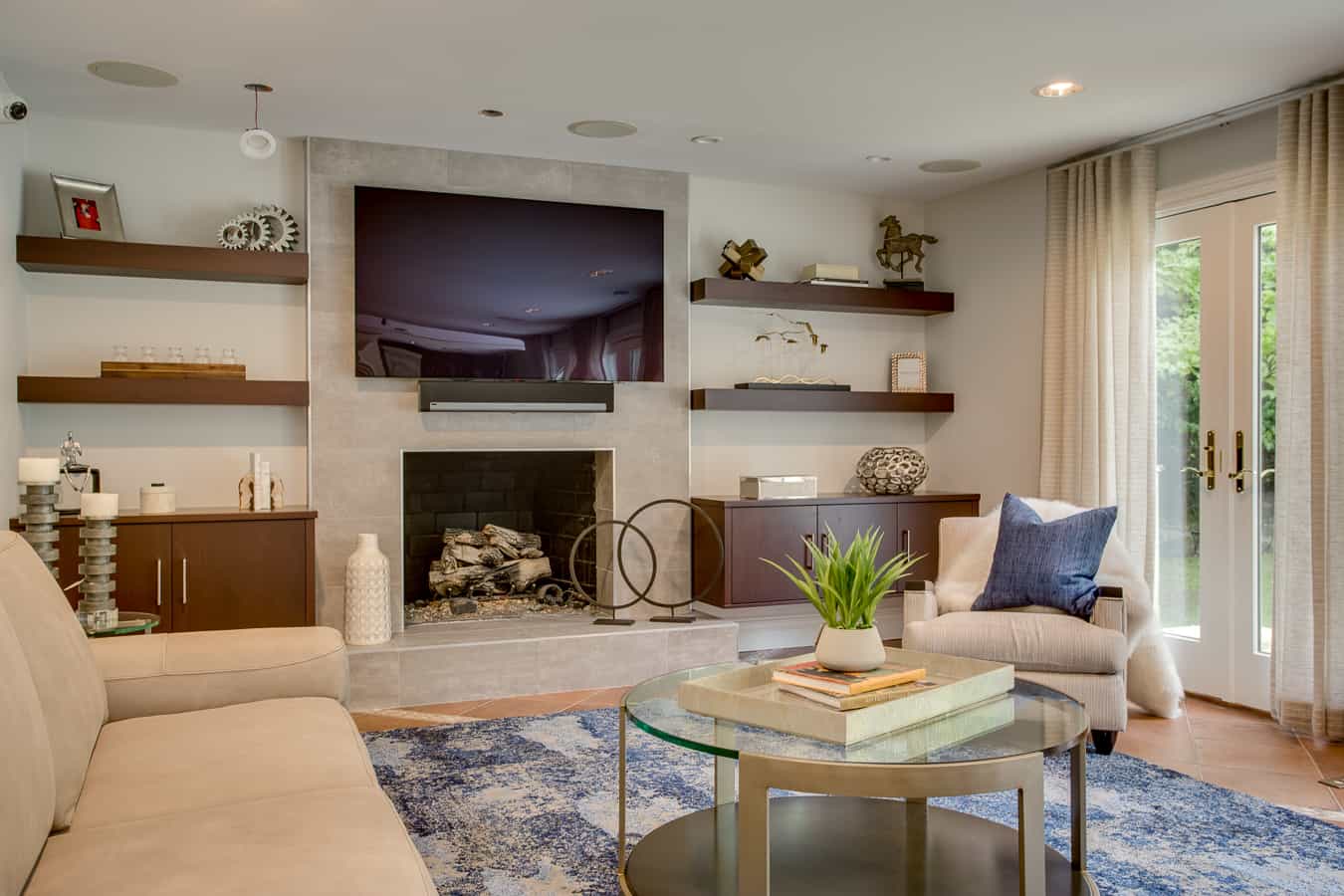
This family room started out dated and awkward to use. We reorganized the layout around conversation and made better use of the natural light. Soft neutrals, layered texture and properly scaled furniture and art did the rest. The room now feels calm and welcoming, which is exactly what this style does best.
Before
After
You can see more of this project in our family room before and after gallery.
A Living Room Built Around One Rug
In a second East End home, a Stark rug with a marble-splatter pattern set the direction for the whole living room. Every other choice was made to support it:
- A custom Bernhardt sofa with a contrasting blue welt
- Window treatments bordered in Kravet trim
- A lucite cocktail table that keeps the center of the room light
- One dark brown swivel chair for contrast against the creams
- Built-in millwork, a coffered ceiling and a custom mantel for structure
The lesson from both rooms is the same. Spend on timeless frames and architecture, then keep things current with rugs, fabrics and accessories.

Common Mistakes to Avoid
- Overdoing nautical themes. A little goes a long way.
- Piling on literal coastal accessories like anchors, shells and rope until the room reads as a costume.
- Making the space so formal that no one wants to sit down.
- Ignoring storage and durability in a house that hosts guests all summer.
Design Tips for Homeowners
- Start with how you’ll use the room, then choose finishes.
- Pick materials that hold up to sun, sand and guests.
- Keep the palette restrained and build warmth through texture.
- Spend on classic pieces that last, and refresh with rugs, fabrics and accessories.
If you’re building new, trim, built-ins and lighting are cheapest to get right while plans are still on paper. Our new home interior design work starts at that stage. Buyers at newer enclaves such as Country Pointe Estates in Westhampton Beach face many of these choices early.
Frequently Asked Questions
What is Hamptons interior design style?
Hamptons interior design style is a relaxed, coastal look often described as casual elegance. Rooms are light and airy, with warm white walls, soft blues and grays, and natural materials like linen, wood, rattan and marble. Furniture has classic, tailored lines. The result feels polished enough for entertaining but comfortable enough for everyday family life.
What colors work best for a Hamptons style home?
Start with warm whites, sand and soft taupe as the base. Then layer in muted blues, navy and pale gray for depth. Keep bright accent colors to a minimum. Most of the interest should come from texture, such as a nubby linen, a woven rug or a painted millwork detail, rather than from bold paint.
Is Hamptons style the same as coastal style?
They overlap, but Hamptons style is more refined. Coastal or beach decor often leans on nautical motifs, bright aqua tones and accessories like shells and rope. Hamptons rooms keep the coastal influence subtle. Instead, they rely on a restrained palette, quality materials and architectural detail, so they read as timeless rather than themed.
What materials define the Hamptons look?
Natural, tactile materials define it. Linen and cotton upholstery, wood and rattan furniture, jute or wool rugs, and marble or light stone in kitchens and baths all fit. Floors are usually light oak, bleached wood or pale porcelain tile. Performance fabrics are a smart choice for seating that sees sun, sand and guests.
How do you get the Hamptons look without it feeling like a theme?
Limit literal coastal accessories and keep the palette restrained. Let trim, molding and millwork set the tone, and choose furniture that’s properly scaled to the room. Personality should come from art, books and pieces you’ve collected over time rather than novelty decor. One or two coastal references are usually plenty.
Does Hamptons style work in a year-round home?
Yes. The style balances polish and comfort, so it suits full-time residences as well as summer houses. Durable fabrics, good storage and layouts built for gathering make it practical every day. In colder months, warmer textures such as wool throws, heavier drapery and darker wood accents keep the rooms from feeling cool.
Hamptons interior design style rewards patience and a room-by-room approach. When you’re ready to plan your own, our full-service interior design process takes it from first sketch to final styling.
Sources
- “Interior Designer Shares Home Trends for the New Year,” Tammy Scileppi, Long Island Press, January 5, 2021.
- “15 Top Interior Designers on Long Island,” Long Island Press, April 9, 2021.
- Interiors by Just Design profile and project photos, Houzz.
About the Author
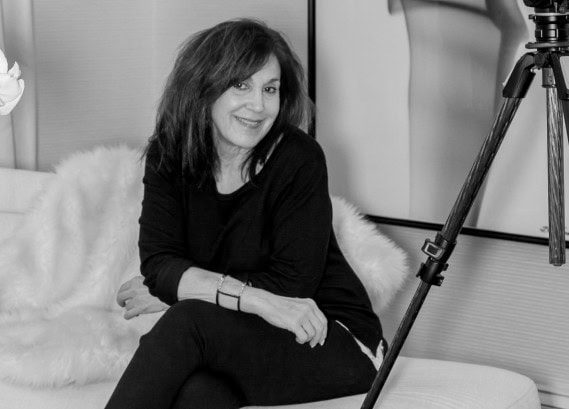
Robyn Baumgarten
Founder & Principal Designer•Interiors by Just Design
Robyn is the visionary behind Interiors by Just Design, bringing decades of experience and an impeccable eye for detail to every project. Her signature approach centers on casual elegance, timeless, classic pieces layered with texture, light, and the natural materials that define refined coastal living across Long Island and the Hamptons.