
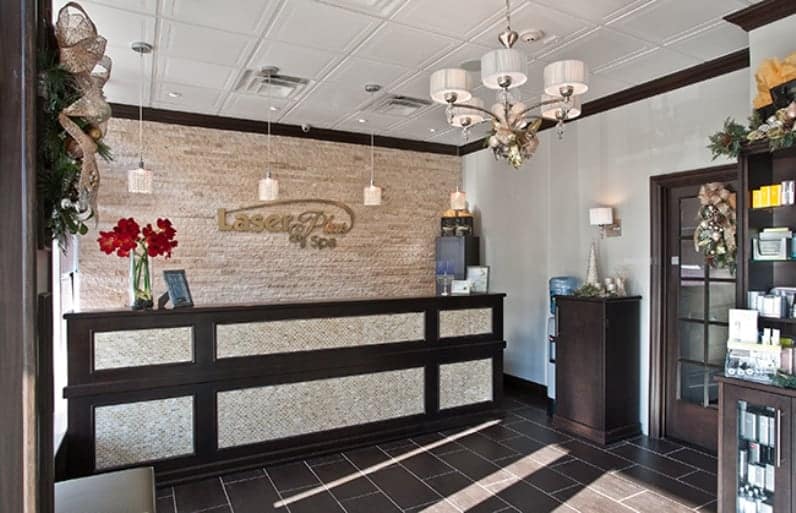
Your waiting room speaks before you do. Clients form their opinion of your business in the first few seconds of sitting in it.
Long Island Business News explored this idea in a feature called “Wait Space: Where Business Meets Hospitality.” Writer Lisa Morris Josefak interviewed Robyn for the piece, along with law firm partners and a healthcare experience executive. You can read the full article at LIBN.
Below is a recap of the ideas Robyn shared, plus her expanded advice for any business rethinking its wait space.
What the Feature Covered
The article looked at how Long Island businesses are upgrading their waiting areas. Law firms, healthcare providers, and financial firms all made the case. Examples ranged from a lobby styled like an art gallery with a coffee bar to hospital lounges designed with hotel-style hospitality in mind.
The common thread was simple. Smart businesses now treat the waiting room as part of the client experience, not a holding pen.
Robyn’s Take: The Waiting Room Sets the Tone
Robyn’s philosophy in the piece came down to one line. “People want to feel good in their environment,” she told LIBN.
Her advice to business owners starts with a comparison. Treat your waiting room like the entryway of your home. The entry sets the tone for the whole house, and the waiting room does the same for your business. It tells people who you are and whether they want to work with you.
Think about the reverse case. Walk into a doctor’s office with a fraying rug and a tired reception area. What does that say about the doctor? Fair or not, clients judge the practice by the room.
One more mindset shift helps. Your clients are waiting for you. Design the space to show you want them comfortable while they do.
What Your Waiting Room Signals
| Element | What It Signals | Quick Fix |
|---|---|---|
| Worn flooring or rugs | Nobody here sweats the details | Repair or replace before anything else |
| Utilitarian row seating | You are a number | Mix comfortable chairs and a sofa in groupings |
| Cluttered counters and signage | Chaos behind the scenes too | Clear surfaces and one clean sign system |
| Blaring TV | Noise over care | Calm imagery, captions, or no TV at all |
| Art, books, and warm lighting | You value your clients’ time | Curate a few quality pieces, skip the filler |
Five Rules for a Wait Space That Works
Ready to upgrade yours? Start with these rules from our commercial projects:
- Keep it clean, fresh, and clutter-free. Nothing else works without this.
- Seat people like guests. Groupings feel human. Rows feel institutional.
- Layer the lighting. Overhead fluorescents alone read cold and clinical.
- Add one hospitality touch. Coffee, water, charging outlets, or good reading.
- Reflect your brand. A boutique firm should feel intimate. A tech office can feel bold.
Style is personal, and that is the point. Embrace the space the way you embrace your wardrobe and your style will show up in it.
Different Businesses, Different Moods
No single formula fits every office. The feature made that clear across its examples:
- Law firms lean into trust: art, books, and private corners for quiet conversation.
- Healthcare spaces lean into calm: homelike lounges that lower stress for nervous patients.
- Boutique practices lean into intimacy: smaller, cozier rooms that feel personal rather than corporate.
Whatever the mood, the goal stays the same. The client should feel expected, welcome, and valued from the first seat they take.
Bring This Thinking to Your Office
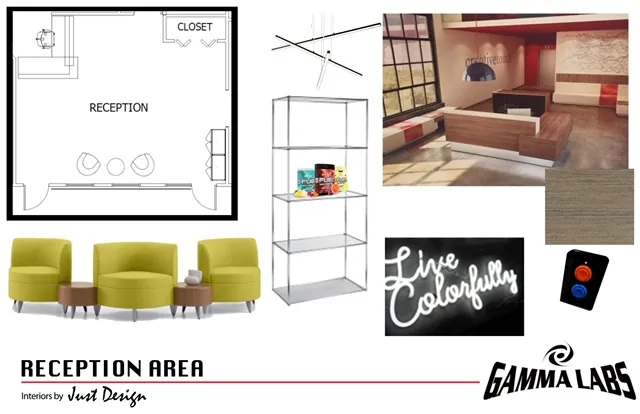
Waiting rooms are one piece of the larger picture. Reception, offices, and conference spaces all send signals too. Our commercial interior design services cover the full client-facing experience for offices, medical practices, retail, and more.
Media features like this one are collected on our press page if you would like to see more of our coverage.
Frequently Asked Questions
Why does waiting room design matter?
The waiting room forms your client’s first impression. It tells people who you are and whether they want to do business with you before anyone says a word.
What makes a good waiting room?
Clean and clutter-free comes first. Then add comfortable grouped seating, layered lighting, and one hospitality touch such as coffee, water, or charging outlets.
What should I avoid in a waiting room?
Avoid worn flooring, row seating, cluttered counters, heavy signage, and a blaring TV. Each one signals that client comfort is an afterthought.
How should a medical office waiting room feel?
Calm and homelike. Patients often arrive stressed, so soft seating, warm lighting, and a living room feel lower anxiety better than a clinical setup.
Who designs commercial waiting rooms on Long Island?
Commercial interior designers handle waiting rooms along with reception areas and offices. Interiors by Just Design has been featured in Long Island Business News for this work.
About the Author

Robyn Baumgarten
Founder & Principal Designer•Interiors by Just Design
Robyn is the visionary behind Interiors by Just Design, bringing decades of experience and an impeccable eye for detail to every project. Her signature approach centers on casual elegance, timeless, classic pieces layered with texture, light, and the natural materials that define refined coastal living across Long Island and the Hamptons.